Contracts & Affidavit Notarization in Sacramento
Affidavits, sworn statements, contracts, and general legal documents notarized at your home, office, or any location throughout Sacramento and surrounding counties.
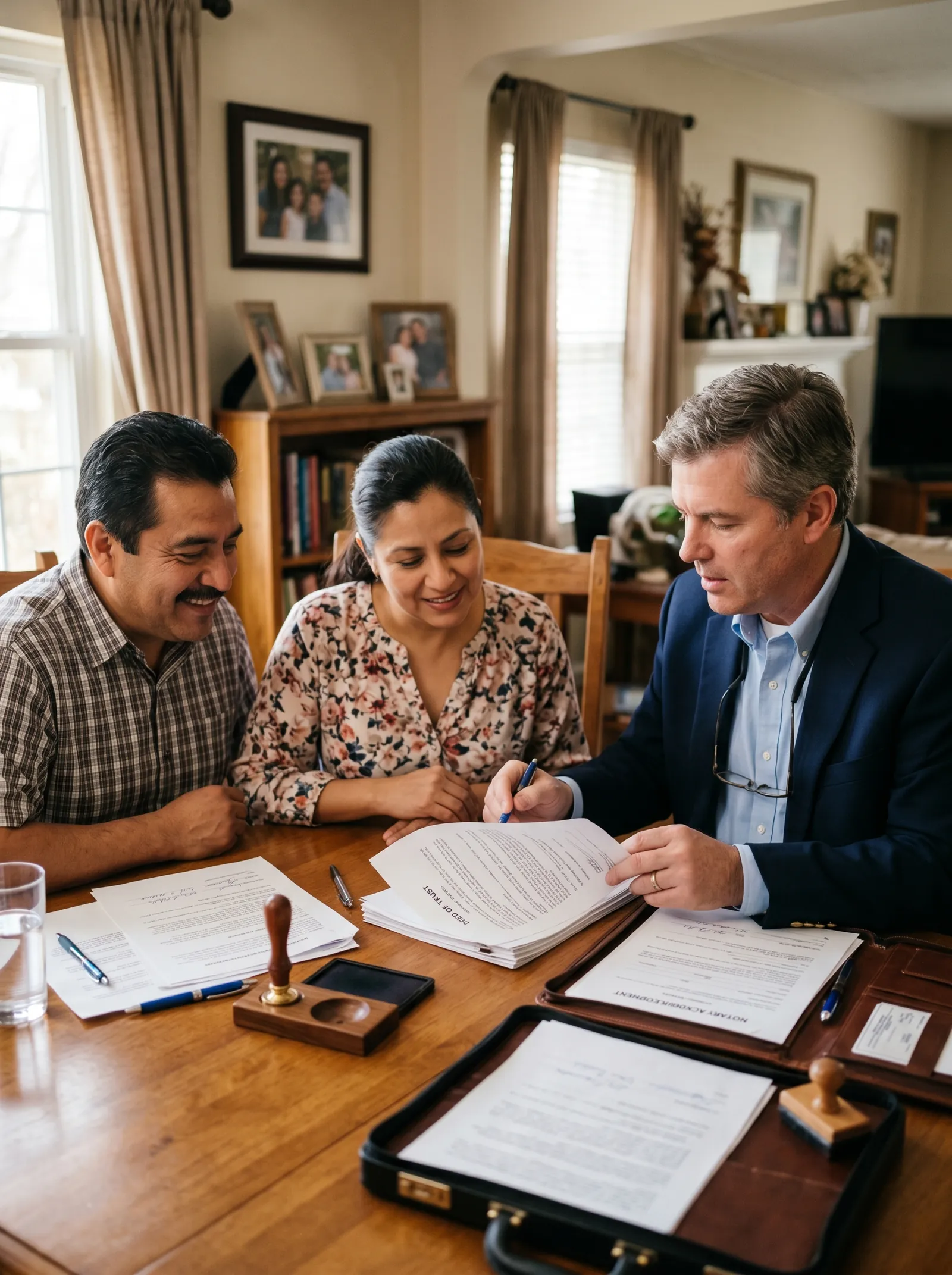
Understanding affidavits
What Is an Affidavit?
An affidavit is a written statement of facts that the signer swears or affirms is true, made under oath before a notary public. Affidavits are used in court proceedings, legal transactions, immigration applications, insurance claims, and many other situations requiring a sworn statement.
Note: our notaries witness and authenticate signatures: they do not draft legal documents. Have your attorney or the requesting party prepare the affidavit before your appointment.
Documents We Handle
- Affidavits: sworn written statements of fact
- Sworn statements
- Statutory declarations
- General contracts requiring notarization
- Settlement agreements
- Letters of authorization
- Financial affidavits
- Affidavit of heirship
- Affidavit of identity
Types of affidavits
Common Types of Affidavits
There are many types of affidavits, each serving a specific purpose. Here are the ones we notarize most often in Sacramento.
Used when someone needs to legally verify who they are. These come up frequently in banking, insurance claims, and legal matters where identity confirmation is required beyond a standard ID check.
California's route to collecting a deceased person's personal property, such as bank accounts and vehicles, without full probate. The dollar test counts the gross value of the person's California property, real estate included, with some property excluded by statute; the limit is $208,850 for deaths on or after April 1, 2025. The statute allows a signature under penalty of perjury, but banks and brokerages almost always want it notarized before they will release anything.
A sworn statement that the sponsor can financially support the immigrant they are sponsoring, and a standard part of family-based green card applications. It is signed under penalty of perjury; USCIS does not require it to be notarized, though some sponsors and attorneys choose to have it notarized anyway.
Required in divorce proceedings, child support cases, and other court matters where financial disclosure is needed. The signer swears their reported income, assets, and expenses are accurate.
Establishes where a deceased person lived at the time of their death. This is often needed for estate settlement, transferring securities, or closing financial accounts.
A catch-all for any situation that requires a sworn written statement of fact. If someone asks you to provide a "sworn statement" or "notarized letter," this is typically what they mean.
Notarization types
Jurat vs. Acknowledgment: What's the Difference?
If you've never had a document notarized before, you might hear the terms "jurat" and "acknowledgment" and wonder what they mean. They are two different types of notarization, and each serves a different purpose.
Jurat
With a jurat, the signer takes an oath or affirmation that the contents of the document are true and correct. The signer must sign the document in the presence of the notary. Jurats are used for affidavits, sworn statements, and any document where the signer is swearing to the truth of what's written.
Acknowledgment
With an acknowledgment, the signer acknowledges that they signed the document willingly and that the signature is theirs. The notary does not require the signer to swear to the truth of the document's contents. Acknowledgments are used for contracts, deeds, powers of attorney, and other documents where voluntary execution is what matters.
Your notary will know which type is required based on your document. Most documents include notarial language that specifies whether a jurat or acknowledgment is needed. If you're unsure, bring the document to your appointment and we'll take care of the rest.

Before we arrive
What to Know Before Your Appointment
A little preparation helps your notary appointment go quickly and smoothly. Notary fees for affidavits and contracts are $15 per notarized signature (California state maximum) plus a travel fee of $50, and most affidavits require one or two notarized signatures. Call (916) 222-2251 and we'll come to you. Not sure what type of notarization your document requires? Call or text (916) 222-2251: we're happy to help you figure it out before your appointment.
Have ready
- Do not sign the document beforehand: the notary must witness your signature. If you've already signed, the notary cannot notarize it.
- Bring valid government-issued photo ID: California accepts a driver's license, state ID card, U.S. passport, or military ID with photo and serial number.
- All signers must be present: every person whose signature is being notarized must appear in person before the notary at the appointment.
- The notary does not draft documents: have your attorney or the requesting party prepare the affidavit or contract before scheduling. We notarize documents; we do not create them.
- For affidavits: be prepared to take an oath. The notary will administer an oath or affirmation that the contents of the document are true. This is a legal requirement for jurat notarizations.
Contract & affidavit questions
Frequently Asked Questions
What is an affidavit?
An affidavit is a formal written sworn statement made under oath before a notary public. The signer swears the contents are true under penalty of perjury. Affidavits are commonly used in legal proceedings, immigration, insurance claims, and financial transactions.
Do I need to bring anything to the signing?
Bring a valid government-issued photo ID and your unsigned document. Do not sign before the notary arrives: the notary must witness your signature. All signers must be present.
Can you notarize an affidavit at my home?
Yes. We travel to homes, offices, and any location throughout Sacramento and surrounding counties.
How much does it cost to notarize an affidavit?
$15 per notarized signature (California state maximum) plus a travel fee of $50. We take cash, credit card, Venmo, PayPal, and Cash App.
Can I write my own affidavit?
Yes, you can draft your own affidavit as long as it meets the legal requirements of the jurisdiction requesting it. However, for complex legal matters, we recommend having an attorney prepare or review the document. The notary's role is to verify your identity and witness your signature, not to draft or review the content.
Do both parties need to be present for a contract notarization?
Only the person whose signature is being notarized needs to be present. If both parties' signatures require notarization, both must appear before the notary, but they can do so in separate appointments if needed.
What is a jurat?
A jurat is a type of notarization where the signer takes an oath or affirmation that the contents of the document are true. The signer must sign in the presence of the notary. Jurats are required for most affidavits and sworn statements.
Related services
Ready when you are
Schedule an Affidavit or Contract Notarization
We come to you: home, office, or any location in Greater Sacramento. Call or text for a same-day appointment.
Call or Text(916) 222-2251